
Blog
Germany Passport Eligibility Who Can Apply and How

Sep
Germany Passport Eligibility Who Can Apply and How
Germany Passport Eligibility Who Can Apply and How A German passport (Deutscher Reisepass) is the primary travel document for German citizens and one of the most powerful passports globally. This guide explains who is eligible, what documents you’ll need, how to apply inside Germany or from abroad, typical fees and validity, and answers common FAQs so you can apply with confidence.
Who is eligible for a German passport?
Germany Passport Eligibility Who Can Apply and How In short: only German citizens are eligible for a German passport. German citizenship can be held by birth (right of blood—Abstammung), acquisition by naturalization, or by other legal routes (restoration of citizenship, acquisition by declaration, etc.). If your German citizenship has be officially establishe, you can apply for a passport.
Notes on dual citizenship: Germany allows some forms of dual citizenship (e.g., EU/Swiss, or cases where renunciation is not possible), but rules are complex — holding another nationality does not by itself prevent you from getting a German passport. (For naturalization scenarios, different rules apply.)
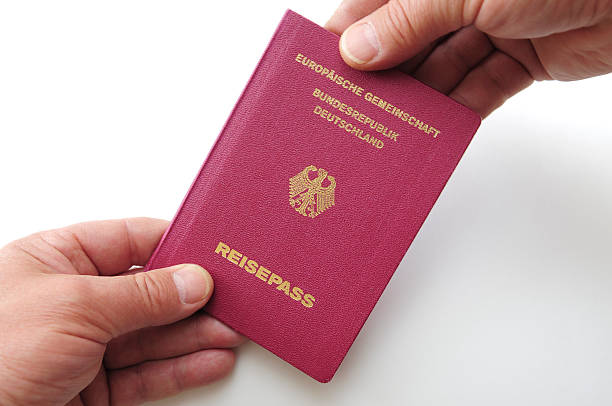
Passport types & validity (quick facts)
-
Standard biometric passport (ePassport): issued to German citizens.
-
Validity: 10 years for applicants 24 years and older; 6 years for applicants under 24.
-
Children’s passport (Kinderreisepass): the special child-only passport was abolished effective 1 Jan 2024—children and young adults now receive biometric passports with the corresponding validity rules.
What documents do you need to apply?
Common documents required (exact list depends on your case — existing passport, birthplace, and whether you were naturalized):
-
Proof of German citizenship: current/expired German passport, certificate of nationality, naturalisation certificate, or other official proof.
-
Identity documents: government ID, birth certificate (showing place of birth), and registration/residence records where applicable.
-
Completed application form (available from your local Bürgeramt or the German mission abroad / Consular Services Portal).
-
Biometric passport photos meeting German standards.
-
Parental consent for minors (both parents/legal guardians usually must appear or give consent).
-
Fees (see fees section).
If you were naturalized recently, bring your naturalisation certificate — this is the document that proves you are now a German citizen and lets you apply for an identity document.
Biometric data & fingerprints
Modern German passports contain an electronic chip with biometric data. Fingerprints are recorded and stored in the passport chip for applicants aged 6 and over (or per the mission/authority rules). Expect to give fingerprints during the in-person appointment.
How to apply — inside Germany
-
Find the right office: Passport applications in Germany are handled by local municipal registration offices (Bürgeramt / Einwohnermeldeamt).
-
Book an appointment (many offices require one).
-
Attend in person with all required documents, photos, and payment method. You must apply in person because biometric data and identity checks are required.
-
Processing: production is central (Bundesdruckerei) and standard processing can take several weeks; an express option is usually available for an extra fee.
How to apply — from abroad (embassy / consulate)
If you live overseas, apply in person at the responsible German embassy/consulate or at certain honorary consuls that process passports. You cannot normally mail in a passport application — an in-person visit is require to verify identity and capture biometrics. For many countries, you can start the process using the Consular Services Portal to fill forms and upload documents before the appointment.
Tips for applicants abroad:
-
Check which German mission is responsible for your consular district (use the Consulate Finder).
-
Some missions add a surcharge for consular processing; fees abroad can be higher than in Germany.
Fees (standard, inside Germany)
Standard fees (these are the commonly applie rates inside Germany as set by federal regulations):
-
Applicants under 24 years: €37.50 (6-year passport).
-
Applicants 24 years and older: €70.00 (10-year passport).
-
Express service, temporary passports, and 48-page passports carry additional fees. When applying via German missions abroad, extra consular surcharges may apply.
Always check the up-to-date fee table on your municipal website or the relevant German mission’s page, because consular and service fees can vary by location.
Common scenarios (short how-tos)
-
Lost passport: Report loss to local police (if abroad) and apply for an emergency travel document or new passport at the nearest German mission.
-
First passport for a child: Both parents/guardians must usually appear with the child; biometric photo and parental consent required. After the 2024 change, children get biometric passports.
-
Naturalised citizens: Bring your naturalization certificate — it’s the basis for issuing your passport.
FAQs (short & SEO friendly)
Q: Who can apply for a German passport?
A: Any person with German citizenship may apply. Proof of citizenship (passport, certificate, or naturalisation certificate) must be show.
Q: Can I apply for a German passport at a German embassy?
A: Yes — German missions process passport applications for citizens abroad, but you must apply in person and often book an appointment.
Q: How long is a German passport valid?
A: 10 years for applicants 24 and older; 6 years for applicants under 24.
Q: Are fingerprints take for children?
A: Fingerprints are take for passport applicants aged 6 and over and store on the passport chip.
Q: How much does a German passport cost?
A: Inside Germany current standard fees are €70.00 (24+ yrs) and €37.50 (under 24). Consular fees abroad can add surcharges. BMI
Conclusion
Getting a German passport is straightforward if you already hold German citizenship: gather your proof of citizenship (passport or certificate), a compliant biometric photo, the right ID papers, book the required in-person appointment (Bürgeramt or German mission abroad), and pay the fee. Remember that rules for minors, consular surcharges, and biometric requirements (fingerprints from age 6) are in place — check your local municipal office or German embassy page to confirm the exact documents and fees before you go.
